Toddler Social Skills in Scarborough Daycare Programs
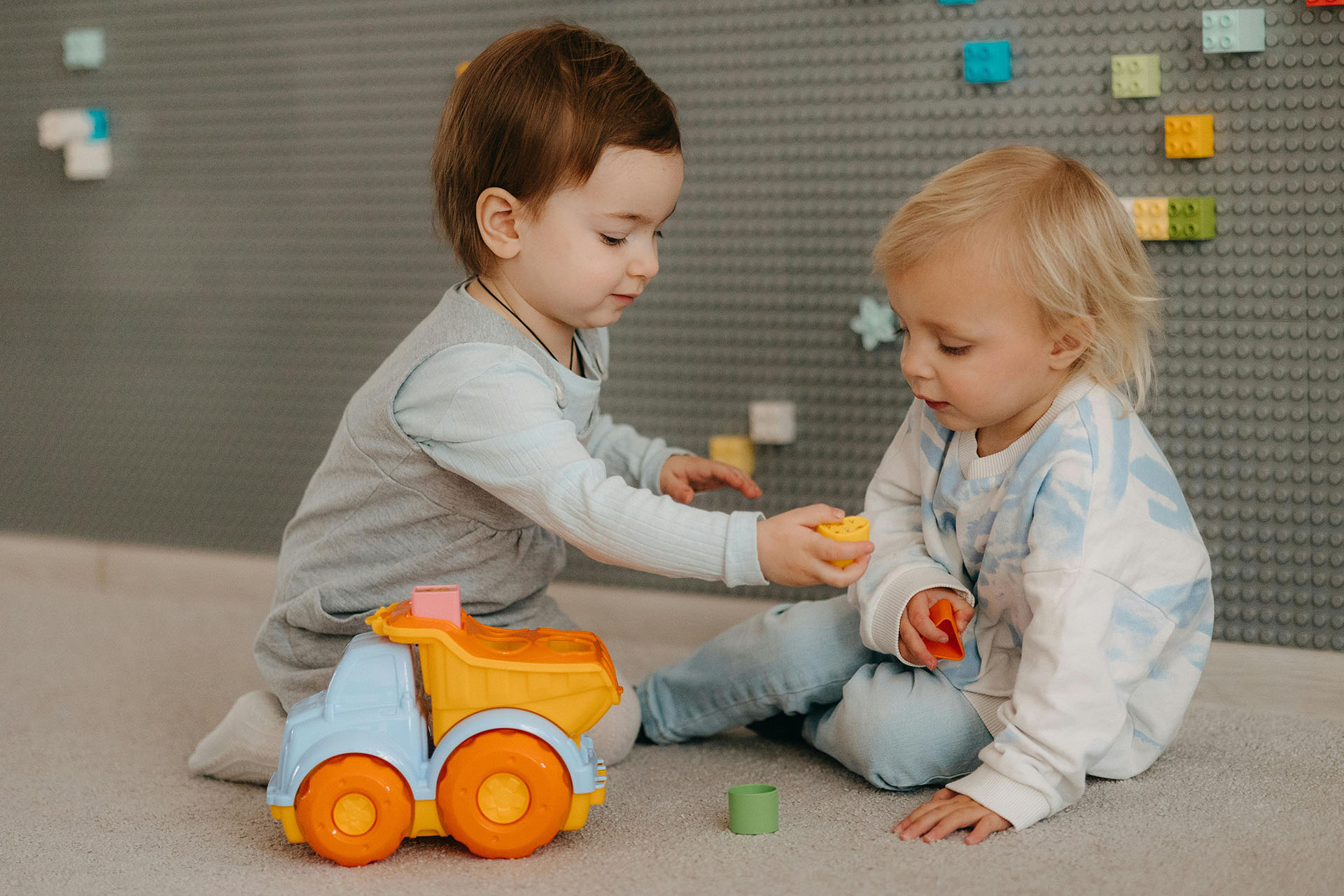
Toddler years shape how children communicate, share attention, and respond to others. Early group settings give children daily practice in these skills through routines, play, and guided interaction.
Families searching for daycare scarborough often focus on programs that support more than supervision. They look for structured environments where toddlers build confidence with peers and develop early emotional awareness.
Toddler daycare Scarborough social development activities form a key part of this process. These activities introduce cooperation, turn-taking, and communication in ways that match early developmental stages. A licensed daycare Scarborough environment adds consistency through trained educators, structured routines, and safe group settings.
At Tamarack Day Care Centre, we build these experiences into daily programming across all early years groups. Our approach brings together play, structure, and responsive educator support to strengthen early social learning.
Families exploring our programs often begin with our licensed daycare in Scarborough and continue through age-based learning pathways that include toddler, preschool, kindergarten, and school age care.
Social Development in Toddler Daycare Settings
Social development in toddlers starts with simple interaction. Children learn how to observe others, respond to cues, and express needs through words, gestures, and actions.
A daycare in Scarborough environment introduces these experiences through group care. Toddlers spend time with peers in shared spaces, which encourages early communication and awareness of others.
Daily routines in a daycare centre Scarborough setting shape predictable social moments. Children learn when to gather, when to play, and when to transition between activities. This structure reduces uncertainty and supports comfort in group participation.
At this stage, repetition plays a major role. When children experience similar social patterns each day, they begin to understand expectations and respond with greater confidence.
Why Social Skills Matter in Early Childhood
Early social skills influence long term learning and emotional development. Toddlers who engage regularly in group settings build stronger communication habits and greater comfort in shared environments.
Key areas of development include:
Sharing attention with peers during play
Responding to simple instructions from educators
Recognizing emotions in others
Practicing early problem solving during group interaction
Developing patience during turn-taking activities
A Scarborough daycare centre that focuses on structured social activities creates repeated opportunities for these skills to develop naturally through play.
Children also begin to form early friendships. These relationships teach trust, cooperation, and empathy, which later support preschool and school readiness.
What Toddler Social Development Activities Look Like
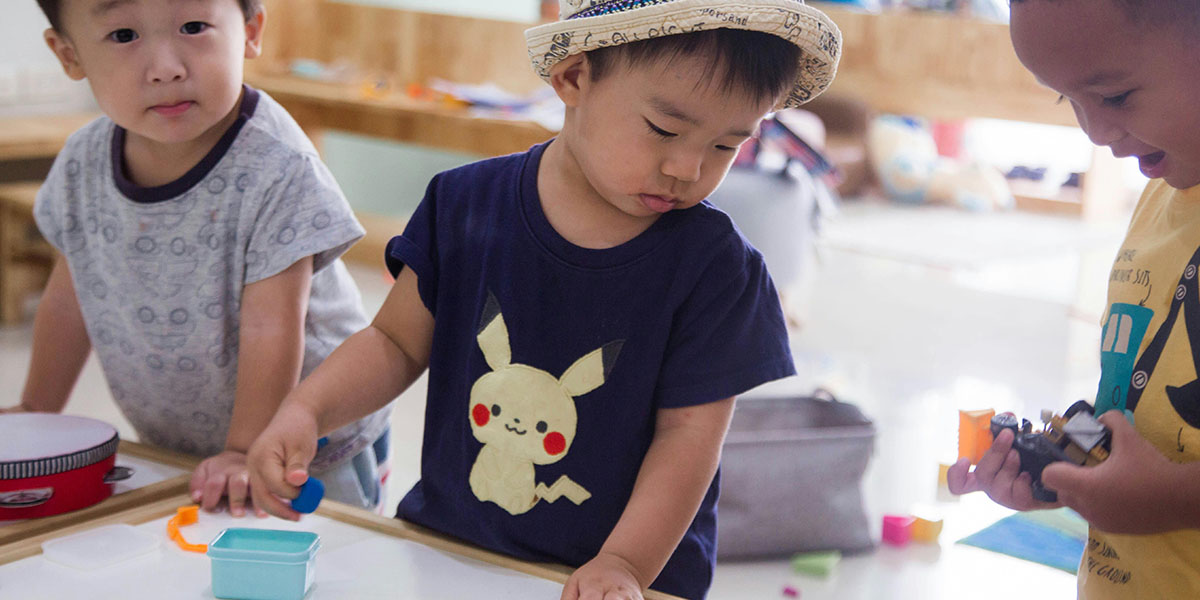
Toddler daycare Scarborough social development activities follow a simple structure built around play and guided interaction.
Common activities include:
Group circle time
Children gather to sing songs, listen to short stories, and respond to simple prompts. This setting builds listening skills and early verbal communication.
Parallel and cooperative play
Toddlers often start by playing beside others. Over time, educators guide them toward shared play using toys, building materials, and group activities.
Simple turn-taking games
Activities such as rolling a ball or passing objects teach patience and waiting for a turn.
Sensory and creative play
Materials like sand, water, and art tools encourage shared exploration and communication between children.
Outdoor group play
Outdoor spaces give children room to move together, explore, and practice group awareness during physical activity.
These experiences form part of daily programming in a licensed daycare Scarborough setting, where structure and flexibility work together.
Role of Educators in Social Learning
Educators guide social development through observation, interaction, and consistent support. Their role focuses on shaping positive group experiences without directing every moment of play.
In a daycare centre Scarborough environment, educators:
Model respectful communication between children
Support conflict resolution during group play
Encourage participation in shared activities
Help children express emotions using simple language
Reinforce routines that build group understanding
Children respond strongly to consistency. Familiar educators create a sense of trust, which makes group participation easier and more natural over time.
At Tamarack Day Care Centre, our educators follow structured routines while adapting support based on each child’s developmental stage. More about our approach appears on our about us page.
Daily Structure and Social Growth
A predictable routine plays a major role in social development. When children know what happens next, they engage more confidently in group settings.
A typical daycare in Scarborough schedule includes:
Arrival and greeting time
Group circle activities
Structured learning and guided play
Outdoor play sessions
Meal and snack routines
Quiet or rest periods
Afternoon group activities and pick up transitions
Each part of the day introduces different social situations. Children learn how to join groups, move between activities, and interact during both active and calm moments.
This structure builds stability. Stability supports emotional regulation, which directly influences how children interact with others.
Examples of Daily Social Learning Experiences
A strong toddler program builds social learning into normal daily activities. Children do not need separate lessons for social skills. They learn through repeated interaction, shared materials, and guided group moments.
Shared building activities
Children use blocks, stacking toys, and simple construction materials in small groups. These activities often start with individual play, then shift into shared building as toddlers notice what others are doing.
Educators support this transition by placing children near each other and introducing simple group prompts. For example, they might suggest building a tower together or adding pieces to a shared structure.
This type of activity teaches several core skills at the same time. Children learn how to ask for a toy instead of grabbing it. They practice waiting while another child uses a piece. They also experience shared success when a group structure stands or grows taller.
These moments help children understand that play can involve other people, not just individual actions. That shift is a key step in toddler daycare Scarborough social development activities.
Story participation
Story time in a daycare in Scarborough setting goes beyond listening. Educators use books as a shared interaction tool that invites children to respond.
Toddlers point at pictures, repeat simple words, and react to familiar characters. Educators pause during stories to ask short questions such as what they see or what might happen next.
Children learn to take turns speaking in a group setting. They also learn to listen while others respond. These are early communication skills that support later classroom participation.
Repetition plays an important role. When the same stories are read multiple times, children gain confidence in recognizing patterns and participating more actively. Over time, quieter children often begin to join in without prompting.
This shared experience also builds emotional awareness. Characters in stories show feelings such as happiness, frustration, or surprise. Children begin to connect those emotions to real life situations in their daycare centre Scarborough environment.
Cleanup routines
Cleanup time is a consistent part of the daily schedule in licensed daycare Scarborough programs. It may seem simple, but it carries strong social learning value.
Children are asked to help put toys away after play sessions. Educators guide them by giving clear instructions and breaking tasks into small steps.
Toddlers learn that shared spaces require shared responsibility. They see that everyone contributes to keeping the room organized. This builds early awareness of group expectations.
Cleanup routines also support cooperation. Children often work near each other, which creates opportunities to imitate actions or help peers. A child might hand a toy to another or show where items belong.
These small actions build independence and respect for shared environments. Over time, children begin to complete these tasks with less guidance, which strengthens confidence in group participation.
Music and movement
Music and movement activities bring toddlers together in a structured but active setting. Songs, rhythm, and physical movement create natural opportunities for group interaction.
Children follow simple actions such as clapping, jumping, or dancing in place. Educators lead the group, and children mirror the movements at their own pace.
This shared rhythm builds group awareness. Children notice what others are doing and adjust their actions to match the group. This is an early form of coordination in social settings.
Songs with repeated phrases encourage participation. Even children who are not speaking much begin to join in through movement or simple sounds.
These sessions also help with emotional release. Physical movement allows toddlers to express energy in a positive way while staying connected to the group.
In a daycare scarborough program, these activities often happen daily, which reinforces familiarity and comfort in group participation.
Peer interaction during free play
Free play gives toddlers space to explore choices without direct instruction. Even in these unstructured moments, strong social learning takes place.
Children choose toys, move between activities, and observe what others are doing. Many interactions start small, such as watching another child play or sitting nearby.
Over time, educators encourage gentle engagement. A child may be invited to join a pretend kitchen activity or help build a shared track with toys.
Conflicts can also occur during free play. These moments are important learning opportunities. Educators guide children through simple language such as asking for a turn or offering an alternative toy.
Toddlers begin to understand that other children have needs and preferences. They also learn that communication can solve small challenges.
This type of learning happens frequently in a Scarborough daycare centre because children spend long periods together in shared environments. The repetition of these experiences helps social skills become part of natural behaviour rather than isolated lessons.
Licensed Daycare and Social Development Standards
A licensed daycare Scarborough environment follows regulated standards for safety, staffing, and program structure. These standards create consistency across daily care and learning experiences.
Key elements include:
Trained early childhood educators
Supervised group ratios
Structured daily programming
Regular safety procedures
Clear communication with families
This consistency creates a stable setting where children feel secure enough to engage socially. Security plays a direct role in how children approach new interactions and group activities.
Families often move through connected programs that include toddler care, preschool, kindergarten, and school age support. These pathways appear through our Scarborough toddler programs, preschool programs, kindergarten programs, and school age care offerings.
Long Term Social Development Outcomes
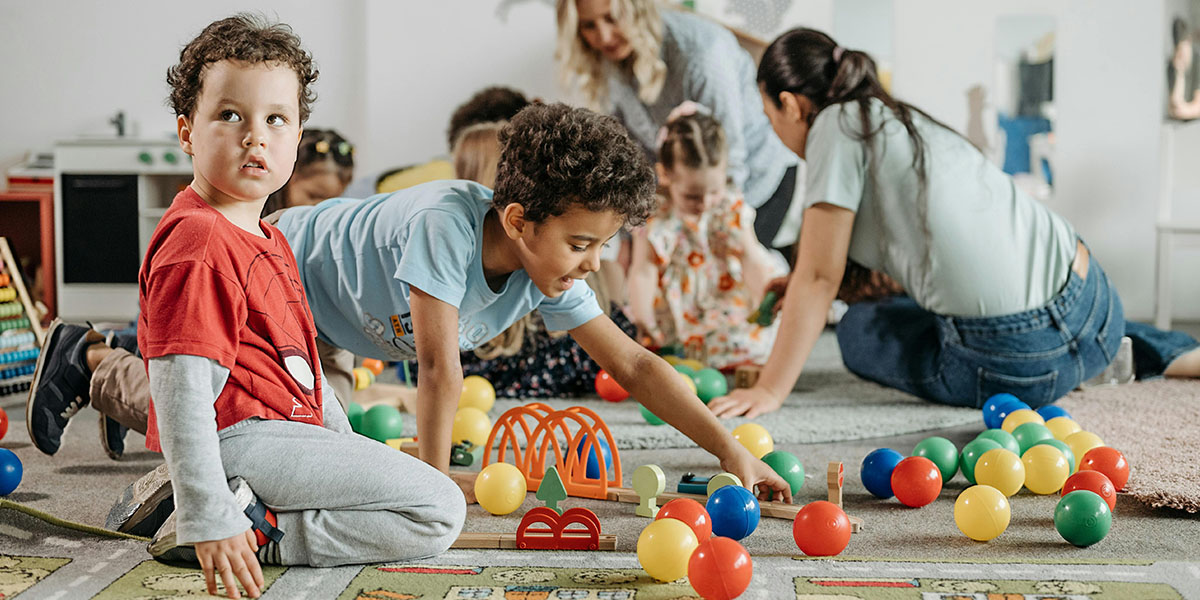
Consistent exposure to structured social environments leads to gradual skill development over time.
Children in daycare scarborough programs often show:
Increased comfort in group settings
Improved communication with peers and adults
Stronger ability to manage emotions
Greater independence during daily routines
Early teamwork and cooperation skills
These outcomes build a foundation for future learning environments. Preschool and kindergarten settings rely heavily on these early skills, especially in group instruction and collaborative tasks.
Conclusion
Toddler daycare Scarborough social development activities play a central role in early childhood growth. These experiences introduce communication, sharing, emotional awareness, and group participation in structured and supportive settings.
A daycare centre in Scarborough that focuses on consistent routines, trained educators, and guided play gives toddlers the stability needed to build confidence with peers.
Families searching for daycare in Scarborough often look for programs that support both care and early learning. Structured social activities provide that balance and prepare children for future educational stages.
