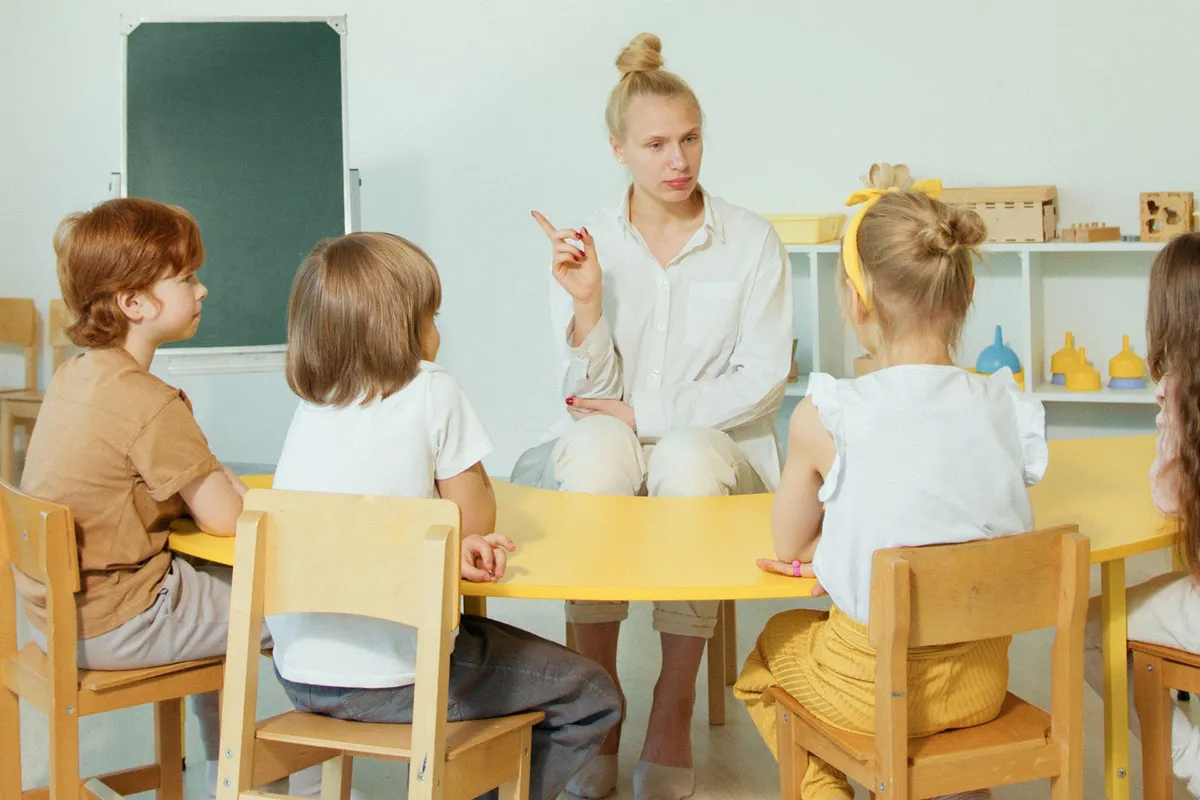
After School Care vs Staying Home Alone in Ontario
At some point in almost every family's journey through the school years, the question comes up. Usually quietly. Sometimes with a bit of guilt attached to it. Sometimes out of genuine necessity.
Can my child stay home alone after school?
It is one of the most common questions parents in Scarborough and Toronto wrestle with, and it is also one of the least openly discussed. Nobody wants to admit they are considering it, even when the reasons are entirely reasonable, and nobody wants to get it wrong.
This guide is designed to help Ontario parents think through this decision clearly and honestly, covering what the law actually says, what developmental research tells us about readiness, what the real risks look like, and how licensed after school care fits into the picture for families who are not quite ready to make that call.
What Ontario Law Actually Says About Leaving Children Home Alone
This is usually the first thing parents want to know, and the answer is more nuanced than most people expect.
Ontario does not have a specific legal age at which a child can be left home alone. Unlike some other provinces, there is no hard cutoff written into provincial legislation that says a child must be a certain age before they can be unsupervised after school.
What Ontario does have is guidance from the Ministry of Children, Community and Social Services suggesting that children under the age of 10 are generally not ready to be left alone for any significant period of time, and that children between 10 and 12 may be ready for short periods depending on their individual maturity and the circumstances involved.
What this means practically is that the decision is largely left to parental judgment, which is both a freedom and a responsibility. There is no automatic legal protection for a parent who makes this call, and if a child is harmed while unsupervised, parents can face scrutiny under child welfare legislation regardless of the child's age.
The absence of a legal minimum age does not mean the decision is consequence-free. It means the burden of assessing readiness falls entirely on the parent.
What Age Is Actually Appropriate: What Developmental Research Tells Us
Age is one factor in readiness, but it is far from the only one. Child development researchers and early childhood professionals generally point to a cluster of skills and capacities rather than a birthday as the true indicator of whether a child is ready to be home alone.
Children who are genuinely ready to be unsupervised after school tend to demonstrate most of the following. They can reliably reach a trusted adult by phone and know when and how to do so. They understand and can follow basic safety rules without reminders. They can manage their own emotional state when something unexpected happens rather than panicking or shutting down. They are able to occupy themselves productively for a few hours without adult direction. They understand what constitutes an emergency and what to do in one. They are not showing signs of significant anxiety about being alone.
Most child development professionals suggest that very few children are genuinely ready for regular unsupervised time before the age of 11 or 12, and even then readiness varies enormously from child to child. A mature 10 year old may be better equipped than an anxious 13 year old. The number on the birthday cake is a starting point, not a verdict.
The Real Risks Parents Tend to Underestimate
Parents who are considering leaving a child home alone after school often focus on the obvious risks, fire, injury, strangers at the door, and plan for those. What tends to get underestimated are the subtler risks that accumulate over time.
Loneliness and isolation are more significant than most parents anticipate. Children who spend extended periods alone after school on a regular basis are at higher risk for anxiety, depression, and social difficulties than their peers who spend that time in supervised environments with other children. The after school hours are also statistically the peak period for risk-taking behaviour among unsupervised older children and early adolescents, including screen time that goes unmonitored, contact with peers that goes unseen, and experimentation that happens precisely because no adult is present.
There is also the cognitive load to consider. A child who has spent a full day at school managing learning, social dynamics, and emotional regulation has very little regulatory capacity left by 3:30 in the afternoon. Expecting that child to then manage themselves responsibly and safely for another two to three hours without adult support is asking a great deal, even from a child who is otherwise mature and capable.
None of this means leaving a child home alone is always the wrong decision. It means the decision deserves more careful thought than it often gets.
Signs Your Child May Not Be Ready Yet
Even if your child is old enough by most reasonable standards, there are signs that suggest more time in a supervised environment would serve them better.
They frequently forget safety rules or need reminders about basic procedures. They become significantly anxious when you are not home or have difficulty self-soothing when upset. They struggle to manage conflict with siblings or peers without adult intervention. They have difficulty managing screen time or other temptations without external limits. They have shown poor judgment in low-stakes situations and you are not confident that would change in a higher-stakes one. They have expressed reluctance or anxiety about being alone, even casually.
Any one of these signs on its own is not necessarily a dealbreaker. A pattern of several of them together is worth taking seriously.
Signs Your Child May Be Ready
On the other side of the ledger, some children genuinely are ready for supervised independence before others, and it is worth recognizing the signs.
They have demonstrated consistent good judgment in situations that required it. They are comfortable and confident being alone for short periods and have told you so. They know your emergency contacts by heart and have practiced using them. They can follow a routine without being reminded and generally do what they say they will do. They have a stable, positive relationship with themselves, meaning they are not prone to anxiety spirals or emotional dysregulation when things go sideways. They have been tested in small doses, short solo periods, easy situations, and have handled them well.
If most of these are true, a gradual and structured increase in independence is probably appropriate. Starting with short windows, clear check-in expectations, and low-stakes situations before moving to longer periods of unsupervised time is the most sensible approach for most families.
How Licensed After School Care Fits Into the Picture
For families who are not yet confident their child is ready to be home alone, or who know their child is not ready but feel the pressure of cost or logistics pushing them toward that option anyway, licensed after school care is worth a serious look.
Quality licensed school age programs in Scarborough and Toronto do more than simply supervise children for a few hours. They provide a structured, nurturing environment where children can decompress after a full school day, connect with peers in a supervised setting, complete homework with support if needed, engage in physical activity and creative programming, and build the social and emotional skills that genuine independence actually requires.
In many ways, a good after school care program is not the alternative to independence. It is the thing that builds the capacity for independence over time. Children who spend the after school hours in enriching, supervised environments with trusted adults and consistent peers develop the emotional regulation, social skills, and self-confidence that will eventually make them genuinely ready to be home alone, typically better and sooner than children who are thrust into unsupervised time before they are equipped for it.
A Note on Cost and the City of Toronto Subsidy
One of the most common reasons families consider leaving a child home alone rather than enrolling in licensed after school care is cost. Licensed care is an investment, and for many Scarborough and Toronto families the monthly expense feels significant against a tight household budget.
What many families do not know is that the City of Toronto offers child care subsidies for eligible families that can significantly offset the cost of licensed school age care. If cost has been a barrier to exploring after school care options for your family, it is worth contacting the City of Toronto's Children's Services division to find out whether you qualify. The application process is straightforward and the financial relief for eligible families can be substantial.
Making the Decision That Is Right for Your Family
There is no universal right answer to the question of when a child is ready to be home alone after school. Every child is different, every family's circumstances are different, and the honest answer for most families is somewhere on a spectrum between full supervised care and complete independence.
What matters most is that the decision is made thoughtfully, based on your specific child's actual readiness rather than convenience, financial pressure, or what you think other families are doing. If you are genuinely uncertain, that uncertainty itself is useful information. Most parents who are truly confident their child is ready do not feel uncertain about it.
If you are in that uncertain middle ground and want to explore what licensed after school care looks like before making a final decision, the best thing you can do is book a tour at a program you are considering and see it for yourself.
Come and See What After School Care Looks Like at Tamarack
At Tamarack Day Care Centre, our licensed school age program is designed to give children in kindergarten and beyond a warm, structured, and genuinely enjoyable place to land after a full day of school. We understand that the after school hours matter enormously for children's development, and we take that responsibility seriously.
Our educators are qualified early childhood professionals who know how to read what a child needs at the end of a school day, whether that is quiet time, physical activity, creative play, or simply a trusted adult to talk to. We serve families across Scarborough and Toronto's east end from our location at 3315 Midland Ave. in Agincourt.
If you are weighing your after school care options for this fall or thinking ahead to the new year, we would love to show you what we do. Give us a call at (416) 293-3152 or visit our contact page to book a tour or ask about availability. We are happy to answer every question you have, including the ones you are not sure how to ask yet.
